
Have you ever wondered why some people feel fresh and energized the day after training while others struggle with soreness for days? The truth is that muscle recovery after workout depends on several factors including nutrition, sleep, workout intensity, hydration, genetics, and overall lifestyle habits. Faster recovery does not always mean someone trained less—it often means their body is better supported for repair and adaptation.
Understanding how recovery works can help you improve performance, reduce fatigue, and build lean muscle more efficiently.
What Happens to Your Muscles After Exercise?
During workouts, especially strength training, your muscles experience tiny tears in the fibers. This is completely normal and is part of the muscle-building process. After exercise, your body starts repairing these fibers, making them stronger and more resilient.
This recovery phase is where actual progress happens. Without proper recovery, muscles may remain fatigued, performance can drop, and the risk of injury increases.
Factors That Affect Muscle Recovery After Workout
1. Protein Intake and Nutrition
Nutrition is one of the biggest reasons why recovery speed differs between individuals. Your muscles need protein, amino acids, carbohydrates, vitamins, and minerals to repair themselves properly.
People who consume enough protein after training usually experience:
- Faster muscle repair
- Reduced soreness
- Better strength gains
- Improved workout performance
High-quality whey isolate proteins with EAAs and BCAAs can support recovery and lean muscle maintenance.
2. Sleep Quality and Recovery
Sleep is often underestimated in fitness. During deep sleep, the body releases growth hormone, which helps repair muscle tissue.
Poor sleep can lead to:
- Increased muscle soreness
- Slower recovery
- Reduced energy levels
- Poor workout performance
Most adults involved in regular fitness training should aim for 7–9 hours of quality sleep daily.
3. Hydration Levels
Muscles need water for proper function and recovery. Dehydration can slow nutrient delivery to muscles and increase fatigue after workouts.
Electrolytes such as sodium, potassium, and magnesium also play a major role in muscle function and recovery, especially after intense sweating.
4. Training Experience
Experienced gym-goers usually recover faster because their bodies adapt better to training stress over time. Beginners often experience delayed onset muscle soreness (DOMS) because their muscles are not used to resistance training.
As consistency improves, the body becomes more efficient at repairing muscle tissue.
5. Workout Intensity and Volume
Very intense workouts with insufficient rest can overload the body. Recovery becomes slower when people:
- Train too frequently
- Skip rest days
- Lift excessively heavy weights
- Do high-volume workouts daily
Balanced programming is important for sustainable progress.
Best Foods for Faster Muscle Recovery
Protein-Rich Foods
- Eggs
- Greek yogurt
- Chicken breast
- Fish
- Paneer
- Whey protein isolate
Carbohydrate Sources
Carbs help restore glycogen levels after exercise.
- Rice
- Oats
- Sweet potatoes
- Fruits
- Whole grains
Anti-Inflammatory Foods
- Berries
- Turmeric
- Ginger
- Nuts
- Green leafy vegetables
How Supplements Can Support Recovery
Whey Protein Isolate
Fast-digesting whey isolate provides amino acids quickly after workouts, helping support muscle repair and lean muscle growth.
EAAs and BCAAs
Essential amino acids help stimulate muscle protein synthesis and may reduce muscle breakdown during intense training.
Electrolyte-Based Recovery Drinks
Electrolytes can help improve hydration and muscle function after heavy workouts or cardio sessions.
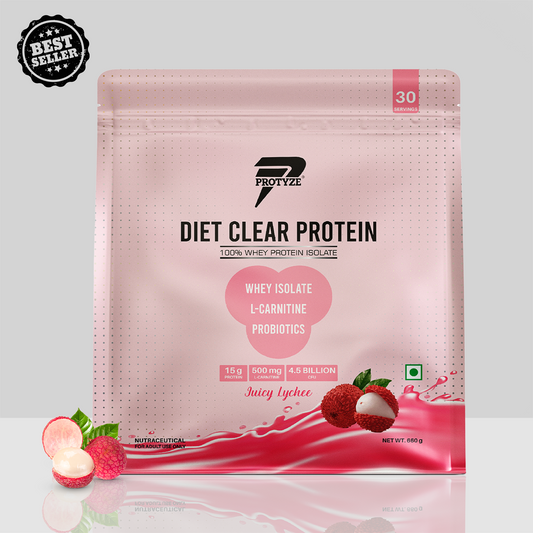
Products designed with clear whey isolate, electrolytes, and amino acids are becoming popular because they offer a lighter and more refreshing alternative to thick protein shakes.
Signs Your Body Is Recovering Properly
You are likely recovering well if you experience:
- Reduced soreness within 24–48 hours
- Consistent strength improvements
- Good energy levels
- Better sleep quality
- Stable workout performance
Signs of Poor Recovery
Watch for these warning signs:
- Constant fatigue
- Poor motivation
- Long-lasting soreness
- Reduced gym performance
- Frequent injuries
- Sleep disturbances
Ignoring recovery can eventually affect muscle growth and overall fitness progress.
Tips to Improve Muscle Recovery Naturally
Follow a Balanced Recovery Routine
- Eat enough protein daily
- Stay hydrated
- Sleep consistently
- Take rest days seriously
- Avoid overtraining
Focus on Active Recovery
Light activities like walking, stretching, yoga, or mobility exercises can improve blood circulation and reduce stiffness.
Manage Stress Levels
High stress increases cortisol levels, which can negatively affect recovery and muscle-building capacity.
Muscle Recovery After Workout and Lean Muscle Growth
Many people focus only on training intensity, but recovery is equally important for results. Effective muscle recovery after workout allows the body to rebuild stronger muscle fibers, improve endurance, and support long-term fitness performance.
Without proper recovery habits, even the best workouts may not produce optimal results.
Can Genetics Affect Recovery Speed?
Yes, genetics can influence:
- Muscle fiber composition
- Inflammation response
- Recovery speed
- Sleep patterns
- Hormonal balance
However, lifestyle factors still play a much bigger role in overall recovery quality.
How Long Does Muscle Recovery Usually Take?
Recovery time depends on workout type and intensity:
- Light workouts: 24 hours
- Moderate strength training: 24–48 hours
- Intense heavy training: 48–72 hours
Recovery may take longer for beginners or people with poor sleep and nutrition habits.
FAQs
1. What is muscle recovery after workout?
It is the process where muscles repair and rebuild after exercise-induced stress or damage.
2. Why do some people recover faster than others?
Recovery speed depends on nutrition, sleep, hydration, training experience, genetics, and workout intensity.
3. Does protein help muscle recovery?
Yes, protein provides amino acids that support muscle repair and growth after workouts.
4. How much sleep is needed for muscle recovery?
Most people need around 7–9 hours of quality sleep for optimal recovery.
5. Are sore muscles a sign of a good workout?
Not always. Mild soreness can be normal, but extreme soreness may indicate excessive training or poor recovery.
Conclusion
Everyone’s body responds differently to exercise, which is why recovery speeds vary from person to person. Factors like nutrition, hydration, sleep quality, workout intensity, and overall lifestyle all play a major role in determining how effectively the body repairs itself. Improving your muscle recovery after workout is not just about reducing soreness—it is about maximizing strength, stamina, lean muscle growth, and long-term performance. By supporting your body with proper nutrition, adequate rest, and smart recovery strategies, you can train harder, recover better, and achieve more consistent fitness results.