
Protein is supposed to help you feel stronger, leaner, and healthier.
So why do so many people complain about feeling bloated after drinking a protein shake?
If you’ve ever searched:
- “Why does whey protein cause bloating?”
- “Best protein powder without bloating”
- “Is whey isolate easier to digest?”
- “Protein shake makes stomach uncomfortable”
…you’re not alone.
The truth is, protein itself is usually not the real problem.
What causes bloating is often the type of protein, low-quality ingredients, digestion issues, excess lactose, sugar alcohols, or heavy formulations.
And this is where most people get it wrong.
In this guide, we’ll break down:
- Why some protein powders cause bloating
- The difference between whey concentrate vs whey isolate
- Why clear whey protein is trending for digestion
- How to choose the best protein for sensitive stomachs
- Which protein works best in UAE weather and daily lifestyles
If you’ve been avoiding protein because of stomach discomfort, this article may completely change the way you look at supplementation.
Does Protein Actually Cause Bloating?
Short answer: Not usually.
Protein itself is an essential nutrient your body digests every day through foods like:
- Milk
- Curd
- Paneer
- Chicken
- Eggs
- Lentils
- Fish
The bloating happens when:
- Your body struggles to digest certain ingredients
- The protein contains excess lactose
- The shake is too thick and heavy
- Artificial sweeteners irritate digestion
- You consume more protein than your body is used to
- Poor-quality whey is used
This is why two people can have completely different experiences with protein powders.
One feels energized.
Another feels heavy, bloated, and uncomfortable.
The difference often comes down to the quality and format of the protein.
The Biggest Mistake People Make With Whey Protein
Most people assume:
“All whey proteins are the same.”
They are not.
There’s a major difference between:
- Whey Protein Concentrate
- Whey Protein Isolate
- Clear Whey Protein Isolate
And digestion changes dramatically between them.
Whey Concentrate vs Whey Isolate: Which Causes More Bloating?
Whey Protein Concentrate
Whey concentrate typically contains:
- More lactose
- More fats
- More carbs
- Thicker texture
For many people, especially in UAE where lactose sensitivity is common, this can lead to:
- Gas
- Stomach heaviness
- Bloating
- Uneasiness after workouts
It can also feel too creamy during hot weather or intense training sessions.
Whey Protein Isolate
Whey isolate is filtered further to reduce:
- Lactose
- Fats
- Excess carbs
That makes it:
- Easier to digest
- Lighter on the stomach
- Faster absorbing
- Better for lean muscle recovery
This is why searches for:
- “Best whey isolate protein”
- “Low lactose whey protein”
- “Protein without bloating”
have increased massively.
People are no longer just buying protein for muscle gain.
They want:
- Better digestion
- Faster recovery
- No heaviness
- Easy daily consistency
Why Clear Protein Is Becoming Popular
Traditional protein shakes are thick, milky, and heavy.
But many users now prefer:
- Juice-like protein
- Light protein drinks
- Summer-friendly protein
- Hydrating protein options
This is where clear whey protein isolate is changing the category.
Instead of feeling like a dessert shake, clear protein feels:
- Refreshing
- Light
- Easy to sip
- More hydrating
For people who hate the heavy texture of traditional whey, this becomes much easier to consume consistently.
Signs Your Protein Powder May Be Causing Bloating
You may need a different protein if you experience:
- Gas after protein shakes
- Stomach tightness
- Feeling overly full
- Digestive discomfort
- Burping or acidity
- Thick, uncomfortable feeling after workouts
This doesn’t necessarily mean protein is bad for you.
It usually means:
- The formulation doesn’t suit your digestion
- The protein quality is poor
- The lactose content is too high
- The shake is unnecessarily heavy
How to Choose a Protein Powder That Doesn’t Cause Bloating
1. Choose Whey Isolate Instead of Concentrate
Search trends show growing preference for:
- Whey isolate protein
- Isolate protein powder
- Clear whey isolate
because they’re generally easier on digestion.
Look for:
- Higher protein purity
- Lower lactose
- Faster absorption
2. Avoid Excessively Thick Protein Shakes
Heavy shakes may feel uncomfortable, especially:
- During summer
- After cardio
- Post intense workouts
- During calorie deficits
Lighter proteins are often easier to tolerate daily.
3. Check for Added Sugars & Fillers
Many cheap proteins include:
- Sugar alcohols
- Artificial fillers
- Excess gums
- Low-quality blends
These can contribute to bloating more than the protein itself.
4. Start With Smaller Servings
If you’re new to protein:
- Start with half a scoop
- Increase gradually
- Drink more water
Your digestion often adapts over time.
5. Try Clear Whey Protein
If creamy protein shakes make you uncomfortable, clear whey protein can feel significantly lighter.
Many users switching from traditional whey report:
- Better digestion
- Less heaviness
- Easier hydration
- Improved consistency
Is Whey Protein Safe for Daily Use?
Yes — high-quality whey protein is generally safe for healthy individuals when consumed appropriately.
Whey protein is simply a convenient protein source that helps support:
- Muscle recovery
- Lean muscle growth
- Daily protein intake
- Workout recovery
- Satiety
The key is choosing:
- High-quality whey isolate
- Transparent formulations
- Easy-to-digest ingredients
Why More Fitness Users Are Moving Toward Clear Whey Isolate
Consumer behavior is shifting.
People no longer want:
- Chalky shakes
- Overly sweet proteins
- Heavy digestion
- Milky aftertaste
They want protein that fits real lifestyles:
- Summer workouts
- Busy schedules
- Fat loss plans
- Hydration-focused routines
- Light post-workout recovery
This is one reason clear protein categories are growing rapidly across fitness communities.
Best Protein Option for People Who Experience Bloating
If traditional whey feels too heavy, a lighter whey isolate or clear whey isolate is often a better option.
Many users now prefer formulations that combine:
- Whey isolate protein
- Refreshing taste
- Easy digestion
- Hydration support
- Lower heaviness
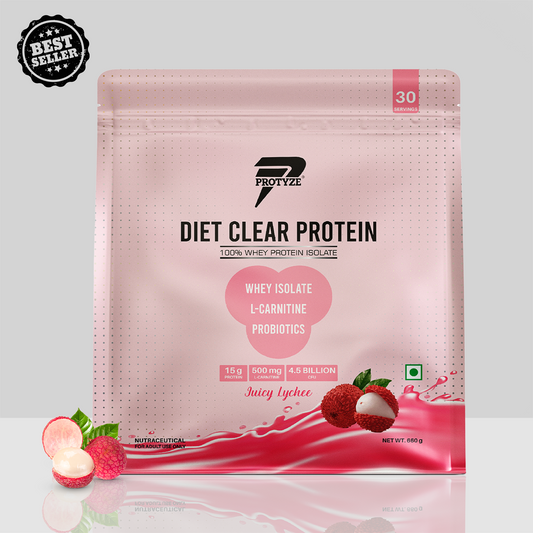
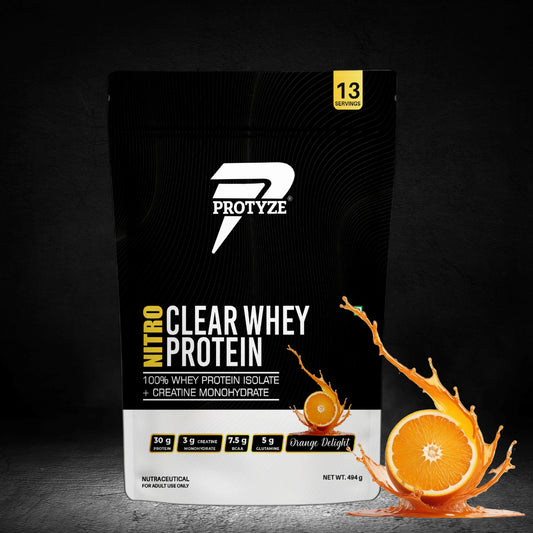
Brands like Protyze have become popular for introducing clear whey protein formats that feel more like a refreshing drink than a thick protein shake.
Their clear protein formulations are designed for:
- Faster absorption
- Easier digestion
- Light post-workout recovery
- Summer-friendly consumption
- Daily consistency without bloating
For people searching:
- “Best protein without bloating”
- “Best whey isolate protein in UAE”
- “Light protein powder”
- “Hydrating whey protein”
clear whey isolate can be a much better experience compared to traditional heavy shakes.
Conclusion - Protein Isn’t the Problem — Poor Protein Choices Are
Most people blame protein itself when they experience bloating.
But the real issue is often:
- Low-quality whey
- Excess lactose
- Thick formulations
- Artificial additives
- Poor digestion compatibility
The solution isn’t avoiding protein.
The solution is choosing:
- Better whey isolate
- Cleaner ingredients
- Lighter formulations
- Easier-to-digest protein sources
That’s exactly why clear whey isolate and lighter protein formats are seeing explosive growth among fitness consumers today.
If you’ve struggled with bloating before, switching to a cleaner whey isolate or clear protein may completely change your experience with daily protein intake.
FAQs
Does whey protein cause bloating?
Some whey proteins can cause bloating, especially whey concentrate with higher lactose content. Whey isolate and clear whey isolate are usually easier to digest.
Which protein is best for sensitive stomachs?
Whey isolate protein is often considered better for digestion because it contains lower lactose and fewer heavy ingredients compared to concentrate-based proteins.
Is isolate protein better than whey concentrate?
For many people, yes. Whey isolate is typically lighter, lower in lactose, and absorbs faster, making it suitable for people who experience bloating or heaviness.
Why does clear protein feel lighter?
Clear whey protein isolate has a juice-like consistency instead of a thick milkshake texture, making it feel more refreshing and easier to consume.
Which is the best whey isolate protein in UAE?
The best whey isolate protein depends on digestion, ingredient quality, taste, and consistency. Many users now prefer clear whey isolate options like those from Protyze Clear Protein Collection for lighter digestion and refreshing recovery.
Can protein help during fat loss?
Yes. High-protein diets may help support muscle retention, recovery, and satiety during calorie deficits when combined with proper nutrition and training.an