
When summer temperatures rise and workouts get sweatier, most people instinctively reach for coconut water. It’s natural, refreshing, low in calories, and widely promoted as a healthy hydration drink.
But here’s the hidden problem: coconut water alone may not fully support hydration and recovery after intense sweating, gym workouts, sports, or long active days.
While it does contain potassium and some natural electrolytes, it often lacks the complete hydration profile your body actually needs after physical activity — especially when protein recovery, sodium replenishment, and muscle repair enter the picture.
That’s why more athletes, gym-goers, runners, and fitness-conscious consumers are now looking beyond plain coconut water and choosing smarter hydration options that combine:
- Electrolytes
- Protein
- Recovery support
- Low sugar
- Fast absorption
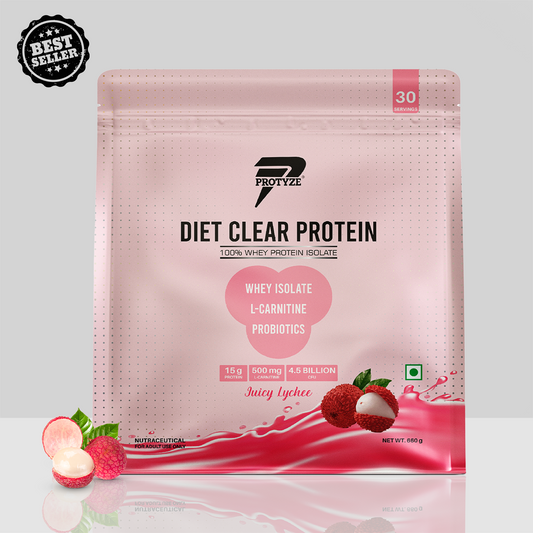
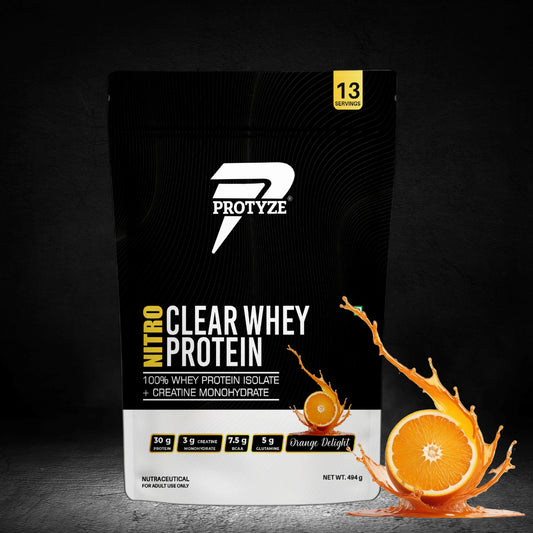
This is where modern hydration-focused supplements like Protyze Hydra are changing the conversation around post-workout recovery.
Why Coconut Water Became So Popular
Coconut water gained popularity because it feels healthier than sugary soft drinks and artificial sports beverages.
It’s:
- Naturally refreshing
- Light on the stomach
- Rich in potassium
- Lower in calories
- Perceived as “clean hydration”
For casual daily hydration, coconut water can absolutely be a good option.
But the issue begins when people assume it’s enough for:
- Post-workout recovery
- Heavy sweating
- Endurance sports
- Muscle recovery
- Gym performance
- Summer dehydration
Hydration is much more complex than simply replacing fluids.
What Your Body Actually Loses During Sweating
When you sweat intensely, your body loses:
- Water
- Sodium
- Potassium
- Chloride
- Magnesium
- Trace minerals
And after workouts, your muscles also need:
- Amino acids
- Protein
- Recovery nutrients
Most people focus only on water intake and forget that electrolyte imbalance is often the real reason behind:
- Fatigue
- Muscle cramps
- Headaches
- Weakness
- Poor workout recovery
- Low energy later in the day
The Hidden Problem With Coconut Water
1. It’s Low in Sodium
One of the biggest limitations of coconut water is its relatively low sodium content.
During intense sweating, sodium is one of the primary electrolytes lost through sweat.
Low sodium replacement can lead to:
- Continued fatigue
- Muscle cramps
- Dizziness
- Poor hydration retention
This is why many athletes and sports nutrition experts don’t rely on coconut water alone after high-intensity training.
2. It Doesn’t Support Muscle Recovery
Hydration is only half the equation.
After workouts, your body also needs protein for:
- Muscle repair
- Recovery
- Lean muscle maintenance
- Performance adaptation
Coconut water contains minimal protein, which means it doesn’t adequately support post-workout recovery on its own.
That’s a major gap for:
- Gym-goers
- Runners
- Cyclists
- Athletes
- Fitness enthusiasts
3. Potassium Alone Is Not Enough
Coconut water is known for potassium, but hydration requires balance.
Your body needs multiple electrolytes working together:
- Sodium
- Potassium
- Magnesium
- Chloride
Over-focusing on potassium without proper sodium replacement may not optimize hydration after sweat-heavy activities.
4. It May Not Be Enough for Intense Summer Workouts
Hot weather increases:
- Sweat loss
- Electrolyte depletion
- Recovery demand
People training in UAE summers often underestimate how much hydration support their body actually needs.
This is especially true for:
- Morning cardio
- Outdoor runs
- HIIT workouts
- Football/cricket training
- Functional fitness
- Long gym sessions
In these situations, plain coconut water may feel refreshing — but your body may still remain under-recovered.
Hydration vs Recovery: Most People Confuse the Two
One of the biggest mistakes in fitness nutrition is assuming hydration and recovery are the same thing.
They are connected — but different.
Hydration helps:
- Replace fluids
- Maintain electrolyte balance
- Prevent dehydration
Recovery helps:
- Repair muscles
- Reduce soreness
- Restore performance
- Improve adaptation
The best post-workout drinks today are designed to support both.
That’s why electrolyte + protein combinations are becoming increasingly popular in sports nutrition.
What Makes a Better Post-Workout Hydration Drink?
An effective workout hydration drink should ideally provide:
- Fast hydration
- Electrolytes
- Protein support
- Low sugar
- Easy digestion
- Refreshing taste
This is where clear protein hydration formulas stand out compared to traditional heavy shakes or plain coconut water.
Why More Fitness Enthusiasts Are Switching to Clear Protein Hydration
Traditional whey shakes can sometimes feel:
- Heavy
- Milky
- Thick
- Hard to consume in hot weather
Clear protein hydration drinks offer a lighter alternative while still supporting:
- Hydration
- Recovery
- Protein intake
This trend is rapidly growing among:
- Athletes
- Runners
- Fitness creators
- Summer gym-goers
- Active professionals
Why Protyze Hydra Stands Out for Hydration + Recovery
Protyze Hydra combines:
- Clear whey protein
- Electrolytes
- Light juice-like texture
- Fast-refreshing hydration experience
Unlike plain coconut water, it is designed to support both:
- Hydration
- Muscle recovery
Key benefits include:
- Protein for recovery
- Electrolytes for hydration support
- Light & refreshing feel
- No heavy milky texture
- Easy to consume post workout
- Suitable for hot weather fitness routines
For people who struggle with thick protein shakes during summer, hydration-focused clear protein formulas can make staying consistent much easier.
Coconut Water vs Electrolyte Protein Hydration
| Feature | Coconut Water | Electrolyte + Protein Hydration |
| Potassium | Yes | Yes |
| Sodium Support | Limited | Better Balanced |
| Protein Recovery | Minimal | High |
| Muscle Recovery | Limited | Strong Support |
| Workout Recovery | Partial | More Complete |
| Summer Friendly | Yes | Yes |
| Satiety & Recovery | Low | Higher |
Who Needs More Than Coconut Water?
You may benefit from a more complete hydration strategy if you:
- Train intensely
- Sweat heavily
- Exercise outdoors
- Experience cramps often
- Feel exhausted post workout
- Skip recovery nutrition
- Need convenient summer protein intake
For these individuals, hydration without recovery support is often incomplete.
Final Thoughts
Coconut water is refreshing, natural, and healthy — but relying on it alone after intense workouts may leave important recovery gaps.
Real post-workout hydration requires more than just fluids. Your body also needs:
- Electrolytes
- Sodium balance
- Recovery support
- Protein intake
That’s why modern fitness hydration is evolving beyond traditional sports drinks and plain coconut water.
Products like Protyze Hydra are helping bridge the gap between hydration and recovery by combining clear protein with electrolytes in a light, refreshing format designed for active lifestyles.
For athletes, gym-goers, runners, and anyone training in hot weather, choosing a hydration solution that also supports muscle recovery can make a noticeable difference in energy, performance, and consistency.
If you’re looking for a smarter alternative to plain coconut water after workouts, electrolyte-enhanced clear protein hydration may be one of the best upgrades for your summer fitness routine.
Frequently Asked Questions
Is coconut water enough after a workout?
Coconut water can help with basic hydration, but it may not be enough after intense workouts because it lacks sufficient sodium and protein for full recovery. After heavy sweating, your body needs both electrolyte replenishment and muscle recovery support.
Why do I still feel tired after drinking coconut water?
You may still feel fatigued because hydration is not just about water intake. During workouts, your body loses sodium and electrolytes through sweat, and muscles require protein for recovery. Coconut water alone may not fully restore those losses.
Is coconut water better than sports drinks?
It depends on your activity level. Coconut water is a natural hydration option and contains potassium, but many sports drinks provide higher sodium content for electrolyte replacement. For workout recovery, hydration drinks that combine electrolytes with protein may offer more complete support.
What is the best drink for hydration after gym workouts?
The best post-workout hydration drinks usually contain:
- Electrolytes
- Sodium
- Protein
- Fast absorption
- Low sugar
Hydration-focused clear protein drinks like Protyze Hydra are becoming popular because they support both hydration and muscle recovery in one drink.
Does coconut water contain electrolytes?
Yes, coconut water naturally contains electrolytes like potassium and small amounts of sodium and magnesium. However, after intense sweating, the sodium content may not be enough for optimal recovery.
What electrolytes are lost during sweating?
Sweat primarily causes loss of:
- Sodium
- Potassium
- Chloride
- Magnesium
Replacing only water without electrolytes can sometimes lead to poor recovery and dehydration symptoms.
Is sodium important for hydration?
Yes. Sodium helps your body retain fluids and maintain electrolyte balance. Low sodium replacement after intense workouts may contribute to:
- Muscle cramps
- Dizziness
- Fatigue
- Weakness
What is better for recovery: coconut water or protein drinks?
Coconut water mainly supports hydration, while protein drinks support muscle recovery. A hydration-focused protein drink that includes electrolytes can help support both recovery and rehydration after exercise.