
Have you ever wondered why some people digest food easily while others experience bloating, gas, or nutrient deficiencies? The answer often lies in the gut microbiome. Trillions of microorganisms live in your digestive tract and play a major role in breaking down food and helping your body absorb nutrients. Understanding the best bacteria for nutrient absorption can help improve digestion and overall health.
What Are the Best Bacteria for Nutrient Absorption?
The best bacteria for nutrient absorption include Lactobacillus, Bifidobacterium, Akkermansia muciniphila, and Faecalibacterium prausnitzii. These beneficial microbes support digestion, improve vitamin production, enhance mineral absorption, and maintain gut health.
Why Is the Gut Microbiome Important?
The gut microbiome helps:
- Break down food
- Produce essential vitamins
- Support immune health
- Improve nutrient absorption
- Protect against harmful bacteria
A healthy microbiome allows the body to use nutrients more efficiently and supports overall wellness.
Best Bacteria for Nutrient Absorption
1. Lactobacillus
Lactobacillus helps digest food and supports calcium absorption. It is commonly found in yogurt and fermented foods.
2. Bifidobacterium
This beneficial bacterium helps break down fiber, supports vitamin production, and promotes digestive balance.
3. Akkermansia muciniphila
Akkermansia helps maintain the gut lining, reduces inflammation, and supports nutrient transport.
4. Faecalibacterium prausnitzii
This bacterium produces butyrate, a compound that supports gut health and improves digestive function.
Comparison Table
| Bacteria | Main Benefit |
| Lactobacillus | Supports digestion and calcium absorption |
| Bifidobacterium | Helps fiber digestion and vitamin production |
| Akkermansia muciniphila | Supports gut lining health |
| Faecalibacterium prausnitzii | Reduces inflammation and supports digestion |
Benefits of Healthy Gut Bacteria
- Better digestion
- Improved nutrient absorption
- Stronger immunity
- Reduced digestive discomfort
- Better energy levels
- Enhanced overall wellness
How to Support Beneficial Gut Bacteria
Eat More Fiber
Include fruits, vegetables, legumes, and whole grains in your diet.
Consume Fermented Foods
Foods such as yogurt, kefir, kimchi, and sauerkraut provide beneficial microbes.
Stay Hydrated
Proper hydration supports digestion and nutrient transport.
Exercise Regularly
Physical activity is linked to a healthier gut microbiome.
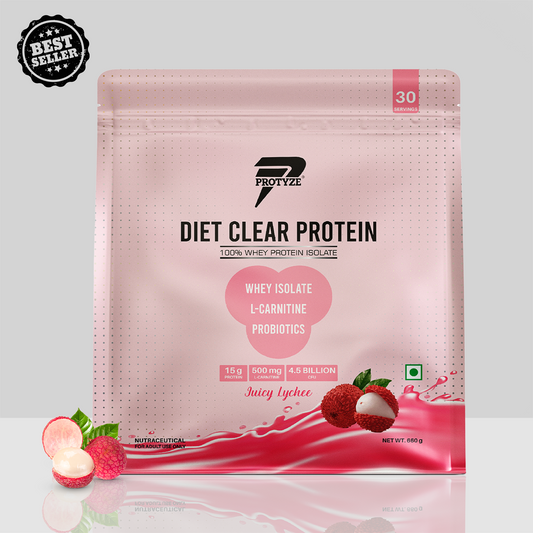
For people looking to improve nutrition and recovery, combining gut-friendly foods with quality protein sources such as Protyze Clear Whey Protein can support overall digestive health and daily protein intake.
Common Mistakes That Harm Gut Health
- Eating too many processed foods
- Consuming insufficient fiber
- Frequent unnecessary antibiotic use
- Poor sleep habits
- Chronic stress
- Inadequate water intake
Key Takeaways
- The best bacteria for nutrient absorption include Lactobacillus, Bifidobacterium, Akkermansia muciniphila, and Faecalibacterium prausnitzii.
- These beneficial microbes help improve digestion and nutrient utilization.
- Fiber-rich and fermented foods support a healthy gut microbiome.
- Lifestyle habits such as hydration, exercise, and stress management also influence gut health.
FAQs
1. What are the best bacteria for nutrient absorption?
The best bacteria for nutrient absorption include Lactobacillus, Bifidobacterium, Akkermansia muciniphila, and Faecalibacterium prausnitzii. These beneficial microbes help improve digestion and support the absorption of essential nutrients.
2. How do gut bacteria help with nutrient absorption?
Gut bacteria break down food, produce digestive compounds, support vitamin synthesis, and improve the absorption of minerals such as calcium, magnesium, and iron.
3. Which probiotic strains are best for digestion?
Lactobacillus and Bifidobacterium are among the most studied probiotic strains for supporting healthy digestion and maintaining gut balance.
4. Can poor gut health lead to nutrient deficiencies?
Yes. An unhealthy gut microbiome can affect digestion and reduce the body's ability to absorb important nutrients from food.
5. What foods increase beneficial gut bacteria?
Foods such as yogurt, kefir, kimchi, sauerkraut, bananas, oats, garlic, onions, and other fiber-rich foods can help increase beneficial gut bacteria.
Conclusion
The best bacteria for nutrient absorption play an important role in digestion, gut health, immunity, and overall wellness. Supporting beneficial bacteria through a balanced diet, fiber-rich foods, fermented foods, hydration, and healthy lifestyle habits can improve nutrient absorption and digestive function. Consistent daily habits are the key to maintaining a healthy gut microbiome and better long-term health.