
Losing weight can feel confusing because there are countless diet trends promising fast results. Some experts recommend cutting carbohydrates, while others suggest reducing fat intake. If you are looking for the best weight loss food vegetarian options, understanding the difference between low carb and low fat diets can help you make smarter decisions.
The truth is that both approaches can work, but neither is magical. Long-term success depends on choosing a diet that fits your lifestyle, provides enough nutrients, and creates a sustainable calorie deficit.
Which Is Better for Weight Loss?
A low carb and a low fat diet can both help with weight loss if they reduce overall calorie intake. For most vegetarians, the best approach is a balanced diet rich in protein, fiber, healthy fats, and whole grains rather than eliminating an entire food group.
What Is a Low Carb Diet?
A low carb diet reduces the amount of carbohydrates you eat each day. Carbs are found in foods like:
- Rice
- Bread
- Pasta
- Potatoes
- Sugar
- Soft drinks
- Sweets
Instead, the diet focuses more on:
- Protein-rich foods
- Healthy fats
- Vegetables
- Nuts and seeds
Common Vegetarian Low Carb Foods
| Food | Approximate Protein |
| Paneer | 18g per 100g |
| Greek Yogurt | 10g per 100g |
| Tofu | 8g per 100g |
| Almonds | 21g per 100g |
| Peanuts | 26g per 100g |
| Mushrooms | 3g per 100g |
What Is a Low Fat Diet?
A low fat diet limits foods that contain large amounts of fat while allowing moderate amounts of carbohydrates.
Typical low fat vegetarian foods include:
- Fruits
- Vegetables
- Whole grains
- Lentils
- Beans
- Oats
- Brown rice
Healthy fats are still important, but portion control becomes the priority.
Low Carb vs Low Fat: What's the Main Difference?
| Factor | Low Carb | Low Fat |
| Main Restriction | Carbohydrates | Dietary Fat |
| Protein Intake | Usually Higher | Moderate |
| Initial Weight Loss | Often Faster | Gradual |
| Energy Source | Fat and Protein | Carbohydrates |
| Vegetarian Friendly | Moderate | Easy |
| Long-Term Sustainability | Depends on Preference | Generally Easier |
Which Diet Works Better for Weight Loss?
Scientific studies consistently show that both diets produce similar long-term results when calories are controlled.
Low Carb Benefits
- May reduce appetite.
- Helps control blood sugar spikes.
- Can lead to quick initial weight loss due to water loss.
- Higher protein intake supports muscle maintenance.
Low Fat Benefits
- Easier to follow for many vegetarians.
- Encourages consumption of fruits and vegetables.
- May improve heart health when healthy fats are included.
- Often lower in calories naturally.
The best diet is the one you can follow consistently for months and years.
Why Protein Matters More Than Low Carb or Low Fat
Many people focus only on carbs or fats and forget about protein.
Protein helps:
- Preserve muscle during weight loss.
- Keep you full longer.
- Reduce unnecessary snacking.
- Improve workout recovery.
Experts generally recommend consuming around 1.2 to 1.8 grams of protein per kilogram of body weight for active individuals trying to lose fat while maintaining muscle.
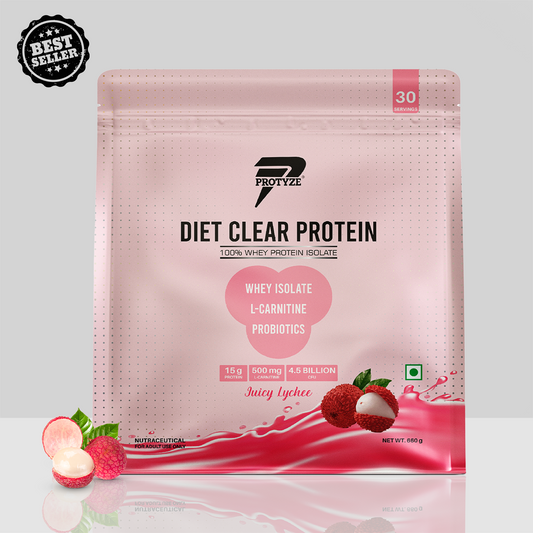
Vegetarians often struggle to meet these protein goals. Along with natural protein sources like paneer, lentils, and tofu, a clear whey protein option like Protyze can help increase daily protein intake without adding excessive calories.
Best Weight Loss Food Vegetarian Choices
High Protein Foods
Paneer
Rich in protein and calcium while helping you stay full.
Tofu
Low in calories and versatile for many recipes.
Greek Yogurt
Excellent for breakfast or snacks.
Lentils and Dal
Provide both protein and fiber.
Chickpeas
Great for salads and healthy bowls.
Moong Sprouts
Low calorie and nutrient dense.
Clear Whey Protein
A refreshing protein drink can help bridge nutritional gaps, especially after workouts.
Can You Lose Weight Without Going Low Carb?
Absolutely.
Many people successfully lose weight while eating rice, chapati, fruits, and oats. The key is portion control and total calorie intake.
For example:
Balanced Vegetarian Weight Loss Plate
- 25% Protein
- 25% Whole Grains
- 50% Vegetables
This approach often works better than extremely restrictive diets.
What Are the Benefits of a Balanced Vegetarian Weight Loss Diet?
Physical Benefits
- Sustainable fat loss
- Better digestion
- Improved energy levels
- Muscle preservation
- Better workout performance
Mental Benefits
- Less food anxiety
- Easier social eating
- Reduced cravings
- Better long-term consistency
Common Mistakes People Make
1. Completely Eliminating Carbs
Carbohydrates provide energy and important nutrients.
2. Avoiding All Fat
Healthy fats support hormones and brain function.
3. Not Eating Enough Protein
Low protein intake often leads to muscle loss.
4. Drinking Calories
Sugary beverages can easily add hundreds of calories daily.
5. Following Extreme Diets
Very restrictive diets often lead to binge eating later.
6. Ignoring Portion Sizes
Healthy foods can still contribute excess calories if eaten in large amounts.
7. Skipping Strength Training
Resistance exercise helps maintain lean muscle during weight loss.
Practical Tips for Faster and Healthier Weight Loss
1. Eat Protein at Every Meal
Aim for 20-30 grams per meal.
2. Fill Half Your Plate with Vegetables
Fiber improves fullness.
3. Drink Enough Water
Hydration supports metabolism and appetite control.
4. Walk Daily
Even 30 minutes of walking can significantly increase calorie expenditure.
5. Sleep 7-9 Hours
Poor sleep increases hunger hormones.
6. Plan Your Meals
Meal preparation reduces unhealthy food choices.
Sample Vegetarian Weight Loss Meal Plan
Breakfast
- Oats with milk
- Greek yogurt
- Mixed berries
Protein: 25g
Lunch
- Brown rice
- Dal
- Paneer curry
- Salad
Protein: 30g
Evening Snack
- Roasted chana
- One serving clear whey protein
Protein: 25g
Dinner
- Tofu stir fry
- Mixed vegetables
- One chapati
Protein: 28g
Approximate daily protein: 108g
Is Low Carb Better for Belly Fat?
No specific diet targets belly fat alone.
Fat loss occurs throughout the body when you maintain a calorie deficit consistently. Genetics determine where fat is lost first.
Is Low Fat Better for Heart Health?
A balanced low fat diet that includes healthy fats from nuts, seeds, and olive oil may support heart health. Avoiding processed and trans fats is more important than eliminating all fats.
Expert Insight
Nutrition experts generally agree that dietary quality matters more than simply choosing low carb or low fat. Whole foods, adequate protein, regular exercise, and consistency create the best long-term outcomes.
For vegetarians, combining natural protein-rich foods with convenient options like Protyze can make it easier to maintain protein intake while staying within calorie goals.
Key Takeaways
- Both low carb and low fat diets can support weight loss.
- Calorie deficit remains the most important factor.
- Protein intake should be a top priority.
- Whole vegetarian foods provide essential nutrients.
- Avoid extreme restrictions for better long-term success.
- Sustainable habits outperform short-term crash diets.
FAQs
1. Which is better for weight loss, low carb or low fat?
Both work when they help create a calorie deficit.
2. Can vegetarians follow a low carb diet?
Yes, by focusing on paneer, tofu, dairy, nuts, and protein supplements.
3. Are carbohydrates bad for weight loss?
No. Whole grains and fruits can be part of a healthy weight loss plan.
4. How much protein should I eat while losing weight?
Most active adults benefit from 1.2-1.8g per kilogram of body weight.
5. Is rice allowed in a weight loss diet?
Yes, portion-controlled rice can fit into a balanced diet.
Conclusion
If you are trying to lose weight, don't get trapped in the debate between low carb and low fat diets. The real secret is choosing a sustainable eating pattern that you can follow consistently.
Focus on eating whole foods, controlling portions, staying active, and including plenty of weight loss food vegetarian options such as paneer, tofu, lentils, sprouts, Greek yogurt, and other high-protein foods. A balanced approach that prioritizes protein and overall calorie control will almost always outperform extreme dieting.
Start with small, manageable changes today. Build meals around protein, vegetables, and whole grains, exercise regularly, and stay consistent. Over time, these habits will help you achieve lasting weight loss and better overall health.