
How many calories are in your morning poha, your lunch thali or that evening samosa? Most of us eat without knowing, and small daily extras quietly add up.
This food calorie chart makes it simple. You will find the calorie content of food items Indians eat every day, from fruits and vegetables to roti, rice, dal, dairy, eggs and meats. We also list calories in full meals, give you a sample diet chart with calories, and show the best healthy foods with calories that help you lose weight or build muscle.
All values are approximate and change with portion size, recipe and cooking oil. Use this food kcal list as a practical guide, not an exact measurement.
What Is a Calorie, and How Many Do You Need?
A calorie (kcal) is a unit of energy. Every food item gives your body energy in calories from three nutrients:
- Protein: 4 kcal per gram
- Carbohydrates: 4 kcal per gram
- Fat: 9 kcal per gram
That is why oily and fried foods are so high in calories: fat has more than double the calories of protein or carbs.
Daily Calorie Needs (Approximate)
|
Person |
Sitting most of the day |
Moderately active |
Very active |
|---|---|---|---|
|
Adult woman |
1,600–1,800 kcal |
1,900–2,100 kcal |
2,200–2,400 kcal |
|
Adult man |
2,000–2,200 kcal |
2,300–2,600 kcal |
2,700–3,000 kcal |
To lose weight, eat about 300–500 kcal less than you need. To gain weight or muscle, eat about 300–500 kcal more, with enough protein. Your exact need depends on age, height, weight and activity.
Fruits Calorie Chart
Fruits are naturally low in calories and high in fibre, vitamins and water. Here are the calories in common fruit items.
|
Fruit |
Serving |
Calories (kcal) |
|---|---|---|
|
Apple |
1 medium |
95 |
|
Banana |
1 medium |
105 |
|
Orange |
1 medium |
60–65 |
|
Papaya |
1 cup pieces |
55–60 |
|
Watermelon |
1 cup pieces |
45 |
|
Mango |
1 cup pieces |
100 |
|
Guava |
1 medium |
40–60 |
|
Grapes |
1 cup |
105 |
|
Pomegranate |
1 cup seeds |
145 |
|
Pineapple |
1 cup pieces |
80 |
|
Chikoo (sapota) |
1 medium |
80–90 |
|
Dates |
2 pieces |
40–45 |
Tip: whole fruit is better than juice. A glass of juice can have 2–3 fruits' worth of sugar without the fibre that keeps you full.
Vegetables Calorie Chart
Most vegetables are very low in calories, so you can eat plenty. The calories in a sabzi mostly come from the oil or ghee used to cook it.
|
Vegetable |
Per 100 g (raw or plain boiled) |
Calories (kcal) |
|---|---|---|
|
Cucumber |
100 g |
15 |
|
Tomato |
100 g |
18 |
|
Spinach (palak) |
100 g |
23 |
|
Cauliflower |
100 g |
25 |
|
Cabbage |
100 g |
25 |
|
Bottle gourd (lauki) |
100 g |
15 |
|
Beans |
100 g |
30 |
|
Broccoli |
100 g |
35 |
|
Carrot |
100 g |
40 |
|
Onion |
100 g |
40 |
|
Green peas |
100 g |
80 |
|
Potato (boiled) |
100 g |
85–90 |
|
Sweet potato (boiled) |
100 g |
85–90 |
How oil changes it: 1 katori of plain boiled vegetables has 30–60 kcal, but the same vegetables cooked as a sabzi with 1–2 teaspoons of oil have about 100–150 kcal. Every teaspoon of oil or ghee adds about 40–45 kcal.
Roti, Rice and Breakfast Items Calorie Chart
Grains are the main source of calories in most Indian meals. Portion size matters most here.
|
Food item |
Serving |
Calories (kcal) |
|---|---|---|
|
Phulka / chapati (no ghee) |
1 medium |
70–100 |
|
Chapati with ghee |
1 medium |
110–130 |
|
Plain paratha |
1 medium |
180–220 |
|
Aloo paratha |
1 medium |
250–300 |
|
White rice, cooked |
1 cup |
200–210 |
|
Brown rice, cooked |
1 cup |
215 |
|
Bread (white or brown) |
1 slice |
70–80 |
|
Idli |
1 piece |
40–60 |
|
Plain dosa |
1 medium |
120–170 |
|
Masala dosa |
1 piece |
350–400 |
|
Poha |
1 plate |
250–300 |
|
Upma |
1 bowl |
200–250 |
|
Oats, cooked with water |
1 cup |
150 |
|
Ragi dosa |
1 medium |
100–130 |
Tip: swap one paratha for two phulkas, or masala dosa for idli, and you save 100–200 kcal without feeling hungry.
Dals and Dairy Calorie Chart
Dals and dairy give vegetarians most of their protein, so it helps to know their calories.
|
Food item |
Serving |
Calories (kcal) |
Protein (approx.) |
|---|---|---|---|
|
Moong / toor dal, cooked |
1 katori (150 g) |
120–160 |
7–9 g |
|
Dal tadka (with ghee) |
1 katori |
180–220 |
8 g |
|
Rajma curry |
1 katori |
200–230 |
9 g |
|
Chole curry |
1 katori |
230–270 |
10 g |
|
Sambar |
1 bowl |
120–150 |
5 g |
|
Toned milk |
1 glass (250 ml) |
145 |
8 g |
|
Full-cream milk |
1 glass (250 ml) |
210–220 |
8 g |
|
Curd (dahi) |
1 katori (150 g) |
90–110 |
5 g |
|
Buttermilk (chaas) |
1 glass |
40–60 |
2–3 g |
|
Paneer |
100 g |
260–300 |
18 g |
|
Cheese slice |
1 slice |
60–70 |
4 g |
|
Ghee |
1 teaspoon |
45 |
0 g |
|
Butter |
1 tablespoon |
100 |
0 g |
Tip: paneer is high in protein but also high in fat. Low-fat paneer or curd gives similar protein for fewer calories.
Eggs, Chicken, Fish and Meat Calorie Chart
Eggs and lean meats are high in protein. Their calories depend a lot on how they are cooked: grilled and boiled are lighter, while curries and fried items add oil.
|
Food item |
Serving |
Calories (kcal) |
Protein (approx.) |
|---|---|---|---|
|
Boiled egg |
1 large |
70–78 |
6 g |
|
Egg white |
1 large |
17 |
3.5 g |
|
Omelette (2 eggs, little oil) |
1 |
180–200 |
12 g |
|
Chicken breast, grilled |
100 g |
165 |
31 g |
|
Tandoori chicken |
1 leg piece |
200–260 |
22–25 g |
|
Chicken curry |
1 bowl |
250–300 |
20 g |
|
Butter chicken |
1 bowl |
400–450 |
22 g |
|
Fish, grilled or steamed |
100 g |
100–150 |
20–22 g |
|
Fish curry |
1 bowl |
200–250 |
18 g |
|
Fish fry |
1 piece |
200–250 |
15 g |
|
Prawns, cooked |
100 g |
100–120 |
24 g |
|
Mutton curry |
1 bowl |
330–380 |
22 g |
Tip: choose grilled, tandoori or steamed options for the best protein with fewer calories.
Nuts, Snacks, Sweets and Drinks Calorie Chart
Snacks and drinks are where hidden calories add up fastest.
Nuts and Seeds
|
Food item |
Serving |
Calories (kcal) |
|---|---|---|
|
Almonds |
10 pieces |
70 |
|
Cashews |
10 pieces |
90 |
|
Peanuts |
30 g (small handful) |
170 |
|
Peanut butter |
1 tablespoon |
95 |
|
Flax seeds |
1 tablespoon |
55 |
|
Chia seeds |
1 tablespoon |
60 |
|
Roasted chana |
30 g |
110 |
Snacks and Street Food
|
Food item |
Serving |
Calories (kcal) |
|---|---|---|
|
Samosa |
1 piece |
250–300 |
|
Vada pav |
1 piece |
290–300 |
|
Pakora |
4–5 pieces |
200–250 |
|
Pani puri |
6 pieces |
150–200 |
|
Pav bhaji |
1 plate |
400–600 |
|
Instant noodles |
1 pack |
350–400 |
|
Potato chips |
30 g |
160 |
|
Pizza |
1 slice |
250–290 |
|
Biscuits |
2 pieces |
80–100 |
Sweets
|
Food item |
Serving |
Calories (kcal) |
|---|---|---|
|
Gulab jamun |
1 piece |
150 |
|
Jalebi |
1 piece |
150 |
|
Rasgulla |
1 piece |
100–120 |
|
Kaju katli |
1 piece |
60–70 |
|
Ice cream |
1 scoop |
140–200 |
Drinks
|
Drink |
Serving |
Calories (kcal) |
|---|---|---|
|
Tea with milk and sugar |
1 cup |
70–90 |
|
Coffee with milk and sugar |
1 cup |
90–110 |
|
Black coffee / green tea |
1 cup |
2–5 |
|
Sweet lassi |
1 glass |
220–260 |
|
Mango shake |
1 glass |
250–300 |
|
Fresh orange juice |
1 glass |
110 |
|
Coconut water |
1 glass |
45–60 |
|
Soft drink (cola) |
330 ml can |
140 |
|
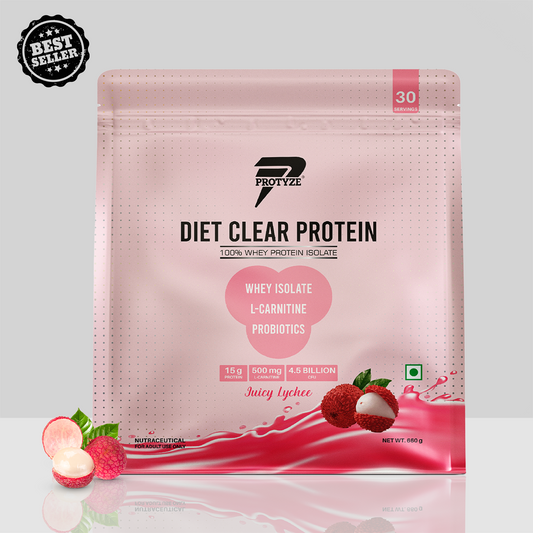
Protyze Anytime Clear Whey |
1 scoop with water |
100 (24 g protein) |
Full Meals Calories: Indian Thalis and Common Plates
We usually eat food items together as a meal, so here are the calories in meals Indians eat most often.
|
Meal |
What's included |
Calories (kcal) |
|---|---|---|
|
Idli breakfast |
3 idlis, sambar, chutney |
300–350 |
|
Masala dosa breakfast |
1 masala dosa, sambar, chutney |
450–500 |
|
Poha with tea |
1 plate poha, 1 cup tea |
330–380 |
|
Aloo paratha breakfast |
2 aloo parathas, curd, pickle |
600–700 |
|
Simple dal-rice meal |
1 cup rice, 1 katori dal, sabzi, salad |
450–550 |
|
Rajma chawal |
1 cup rice, 1 katori rajma |
450–550 |
|
North Indian veg thali |
2 rotis, rice, dal, sabzi, curd, salad |
700–900 |
|
South Indian meals |
Rice, sambar, rasam, poriyal, curd |
700–850 |
|
Chole bhature |
2 bhature, chole |
800–900 |
|
Chicken biryani |
1 plate with raita |
600–750 |
|
Chicken curry meal |
2 rotis, chicken curry, salad |
500–600 |
|
Fast food meal |
Burger, fries, soft drink |
900–1,100 |
A single heavy meal like chole bhature or a fast food combo can cover almost half of your daily calorie needs. Balancing it with lighter meals the rest of the day keeps your total in check.
Diet Chart with Calories: Sample Indian Days
Here are two simple sample days to show how the calories in food items add up. Adjust portions to match your own needs.
1,500 kcal Vegetarian Diet Chart (Weight Loss)
|
Time |
Meal |
Calories (kcal) |
|---|---|---|
|
Early morning |
Warm water + 5 almonds |
35 |
|
Breakfast |
2 moong dal chillas with mint chutney |
250 |
|
Mid-morning |
1 apple |
95 |
|
Lunch |
2 phulkas, 1 katori dal, 1 katori sabzi, salad, 1 katori curd |
530 |
|
Evening |
Tea with less sugar + 30 g roasted chana |
170 |
|
After workout |
1 scoop Protyze Anytime Clear Whey with water |
100 |
|
Dinner |
1 phulka, 100 g paneer bhurji (low oil), sautéed vegetables |
360 |
|
Total |
|
about 1,540 |
2,000 kcal High-Protein Diet Chart (Muscle Gain)
|
Time |
Meal |
Calories (kcal) |
|---|---|---|
|
Breakfast |
3-egg omelette + 2 slices brown bread |
420 |
|
Mid-morning |
1 banana + 10 almonds |
175 |
|
Lunch |
1 cup rice, 1 phulka, chicken curry, salad, curd |
690 |
|
After workout |
1 scoop Protyze Anytime Clear Whey with water |
100 |
|
Evening |
1 bowl sprouts chaat |
150 |
|
Dinner |
2 phulkas, 1 katori dal, 1 katori sabzi |
400 |
|
Total |
|
about 1,935 |
Both plans give plenty of protein while keeping calories under control. A clear whey protein shake adds 24 g protein for just 100 kcal, which makes it easier to hit your protein target without extra calories.
Best Healthy Foods with Calories: Smart Picks
The best calorie foods are not always the lowest in calories. They are the ones that give you the most nutrition, protein and fullness for the calories you eat.
Healthy Low-Calorie Foods (for Weight Loss)
|
Food |
Serving |
Calories (kcal) |
Why it's good |
|---|---|---|---|
|
Cucumber salad |
1 bowl |
20–30 |
Very filling, almost no calories |
|
Papaya |
1 cup |
55–60 |
Fibre and vitamin C |
|
Buttermilk |
1 glass |
40–60 |
Cooling, aids digestion |
|
Egg whites |
3 |
50 |
Pure protein |
|
Sprouts |
1 cup |
30–100 |
Protein and fibre |
|
Clear whey protein |
1 scoop |
100 |
24 g protein, light drink |
Healthy High-Calorie Foods (for Weight or Muscle Gain)
|
Food |
Serving |
Calories (kcal) |
Why it's good |
|---|---|---|---|
|
Peanut butter |
2 tablespoons |
190 |
Healthy fats and protein |
|
Banana |
1 medium |
105 |
Quick energy for workouts |
|
Paneer |
100 g |
260–300 |
High protein for vegetarians |
|
Mixed nuts |
30 g |
170–180 |
Healthy fats and minerals |
|
Full-cream milk |
1 glass |
210–220 |
Protein and calcium |
|
Dates |
4 pieces |
80–90 |
Natural energy boost |
5 Easy Tips to Control Calories
- Watch the oil. Cooking oil and ghee are the biggest hidden source of calories in Indian food.
- Fill half your plate with vegetables or salad. They fill you up for very few calories.
- Add protein to every meal. Dal, curd, eggs, paneer or a protein shake keep you full longer.
- Drink your calories carefully. Sweet tea, lassi, juices and soft drinks add up quickly.
- Check portion sizes. Use a katori or measuring cup for a few days to learn what a real serving looks like.
Frequently Asked Questions
How many calories are in a normal Indian meal?
A simple home meal of dal, rice, roti and sabzi has about 450–600 kcal. A full thali with more items can reach 700–900 kcal.
Which food items have the lowest calories?
Cucumber, tomato, lauki, spinach, cabbage, watermelon and buttermilk are among the lowest-calorie food items.
How many calories are in 1 roti?
A medium phulka without ghee has about 70–100 kcal. Adding a teaspoon of ghee adds about 40–45 kcal.
How many calories should I eat to lose weight?
Most people lose weight by eating about 300–500 kcal less than they need each day. For many women this means around 1,400–1,600 kcal, and for many men around 1,800–2,000 kcal, but it varies by person.
What are the best healthy foods with calories for muscle gain?
Eggs, chicken, paneer, dal, curd, peanut butter, nuts, bananas and a whey protein shake are great choices. They give both calories and protein to support muscle growth.
Are calorie values in this food kcal list exact?
No. Calories change with portion size, recipe and cooking oil. Use this calorie chart as a guide, and check packaged food labels for exact values.
Conclusion
Knowing the calories in food items you eat every day is the first step to managing your weight, energy and fitness. Use this food calorie chart to make smarter swaps: phulka instead of paratha, grilled instead of fried, buttermilk instead of soft drinks.
You don't need to count every calorie forever. Just understand what you are really eating, keep portions in check, and get enough protein. If you struggle to meet your protein target, a light Protyze Clear Whey shake gives you 24 g protein for just 100 kcal.