
If your body feels sore for days, your strength is dropping, and every workout feels harder than the last, you may be wondering why your muscles are not recovering properly. Many people assume they simply need to push harder, but the real problem often comes down to two major factors: overtraining and inadequate protein intake.
Finding the right Muscle Recovery Drink In UAE can help support muscle repair, but understanding the root cause of poor recovery is even more important. Recovery is where your muscles actually grow stronger—not during the workout itself.
Quick Answer (Featured Snippet)
Muscles often fail to recover because of either overtraining or insufficient protein intake. Overtraining creates excessive physical stress, while low protein limits the body's ability to repair damaged muscle fibers. Proper rest, balanced nutrition, hydration, and a quality Muscle Recovery Drink In UAE can significantly improve recovery and performance.
What Happens During Muscle Recovery?
Every workout creates tiny microscopic tears in your muscle fibers. Your body repairs these tears by using amino acids from dietary protein, making the muscles stronger and more resilient.
A proper recovery process involves:
- Muscle protein synthesis
- Glycogen replenishment
- Hormonal balance
- Hydration and electrolyte restoration
- Reduced inflammation
- Adequate sleep
Without these elements, recovery slows down and performance suffers.
Is It Overtraining or Low Protein?
Both conditions can produce similar symptoms, making it difficult to identify the real issue.
Comparison Table: Overtraining vs Low Protein
| Symptom | Overtraining | Low Protein |
| Constant muscle soreness | Yes | Yes |
| Loss of strength | Yes | Yes |
| Poor workout performance | Yes | Yes |
| Frequent illness | Common | Common |
| Increased resting heart rate | Very common | Rare |
| Slow wound healing | Sometimes | Very common |
| Hair thinning or brittle nails | Rare | Common |
| Constant fatigue | Yes | Yes |
| Poor sleep quality | Very common | Sometimes |
| Reduced muscle growth | Yes | Yes |
Many fitness enthusiasts actually experience a combination of both.
What Is Overtraining?
Overtraining occurs when the body experiences more stress than it can recover from.
Common Causes of Overtraining
Too Much Exercise
Training intensely every day without rest periods.
Lack of Sleep
Sleeping less than 7 hours reduces muscle protein synthesis.
Poor Nutrition
Calories and nutrients become insufficient to support recovery.
High Stress Levels
Work stress, emotional stress, and physical stress all add together.
Signs You May Be Overtraining
Physical Symptoms
- Persistent soreness
- Heavy legs
- Reduced strength
- Frequent injuries
- Elevated resting heart rate
Mental Symptoms
- Low motivation
- Mood swings
- Irritability
- Difficulty concentrating
Performance Symptoms
- Plateaued progress
- Lower endurance
- Longer recovery times
- Decreased power output
Research suggests that athletes who do not allow proper recovery are significantly more likely to experience injuries and performance decline.
How Does Low Protein Affect Muscle Recovery?
Protein provides amino acids, which are the building blocks for repairing muscle tissue.
Without enough protein:
- Muscle repair slows down.
- Muscle growth decreases.
- Recovery periods become longer.
- Strength gains are reduced.
- Immune function may weaken.
According to sports nutrition guidelines, active individuals generally require between 1.4 and 2.0 grams of protein per kilogram of body weight daily, depending on training intensity.
How Much Protein Do You Really Need?
| Goal | Daily Protein Recommendation |
| Sedentary adults | 0.8 g/kg |
| General fitness | 1.2-1.4 g/kg |
| Muscle building | 1.6-2.2 g/kg |
| Fat loss while preserving muscle | 1.8-2.4 g/kg |
| Competitive athletes | Up to 2.2 g/kg |
Example
A person weighing 70 kg aiming for muscle growth should consume approximately 112-154 grams of protein daily.
Can You Recover Without Enough Protein?
The simple answer is no.
Even if you sleep well and follow the perfect workout program, insufficient protein limits your body's ability to rebuild muscle tissue.
Think of exercise as breaking down a wall and protein as the bricks needed to rebuild it. Without enough bricks, construction slows down.
Why Sleep Matters Just as Much as Protein
During deep sleep, the body releases growth hormone, which supports tissue repair and muscle growth.
Recovery Checklist
- Sleep 7-9 hours daily
- Stay hydrated
- Consume adequate protein
- Include carbohydrates after training
- Take at least 1-2 rest days weekly
What Role Does a Muscle Recovery Drink In UAE Play?
A quality Muscle Recovery Drink In UAE can help bridge nutritional gaps after exercise.
An effective recovery drink should ideally provide:
- High-quality whey protein isolate
- Fast digestion
- Essential amino acids
- Low sugar content
- Easy hydration support
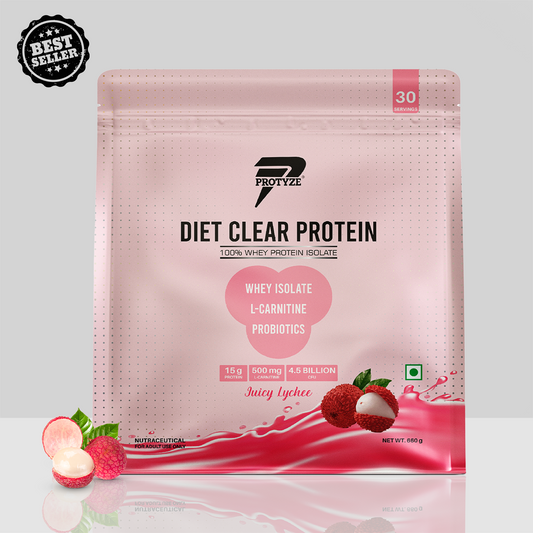
For individuals with busy schedules, a convenient protein drink after workouts helps initiate muscle repair quickly. Products like Protyze Clear Whey Protein are designed to provide quality protein in a light, refreshing format rather than a heavy traditional shake.
Best Foods for Faster Muscle Recovery
High-Protein Foods
- Eggs
- Chicken breast
- Fish
- Greek yogurt
- Paneer
- Lentils
- Milk
- Peanuts
- Chickpeas
- Whey protein isolate
Carbohydrate Sources
- Rice
- Oats
- Sweet potatoes
- Bananas
- Whole wheat bread
Healthy Fats
- Almonds
- Walnuts
- Avocados
- Olive oil
- Flaxseeds
Benefits of Proper Muscle Recovery
Better Muscle Growth
Recovery is when muscles adapt and become stronger.
Improved Athletic Performance
Well-rested muscles generate greater power and endurance.
Reduced Injury Risk
Adequate recovery lowers the chances of strains and overuse injuries.
Better Hormonal Balance
Recovery supports healthy testosterone and cortisol levels.
Stronger Immune Function
Proper nutrition and rest help your body fight illness.
Common Mistakes That Slow Muscle Recovery
1. Training Every Day Without Rest
Muscles need time to repair.
2. Not Eating Enough Protein
Skipping protein after workouts delays recovery.
3. Ignoring Hydration
Even mild dehydration affects muscle function.
4. Sleeping Too Little
Recovery hormones are primarily released during sleep.
5. Doing Too Much Cardio
Excessive cardio can interfere with muscle recovery.
6. Following Crash Diets
Very low-calorie diets reduce muscle repair capacity.
7. Believing More Exercise Always Means Better Results
Recovery is part of the training process.
Practical Tips to Improve Muscle Recovery
Before Workout
- Eat balanced meals.
- Stay hydrated.
Immediately After Workout
- Consume 20-30 grams of protein.
- Include carbohydrates.
- Drink enough water.
Daily Habits
- Sleep consistently.
- Manage stress.
- Avoid excessive alcohol.
- Schedule rest days.
- Track protein intake.
Expert Insight
Sports nutrition experts consistently agree that muscle growth depends on the balance between training stimulus and recovery capacity. Training breaks muscles down, while nutrition and rest rebuild them stronger. Most people struggling with recovery are either under-eating protein, sleeping poorly, or training too frequently.
Key Takeaways
- Muscle recovery happens after training, not during it.
- Overtraining and low protein are the two biggest causes of poor recovery.
- Most active adults need significantly more protein than the basic daily recommendation.
- Sleep, hydration, and nutrition work together for optimal recovery.
- A quality Muscle Recovery Drink In UAE can help meet daily protein needs conveniently.
- Rest days are essential for muscle growth.
- Consistency matters more than extreme workouts.
FAQs
1. How do I know if I am overtraining?
Persistent soreness, fatigue, poor performance, mood changes, and elevated resting heart rate are common signs.
2. Can low protein cause muscle pain?
Yes. Insufficient protein slows muscle repair, leading to prolonged soreness.
3. What is the best time to consume protein after a workout?
Within 30-60 minutes after training is generally considered beneficial.
4. How much protein should I consume daily?
Most active individuals need between 1.4 and 2.0 grams per kilogram of body weight.
5. Is whey protein necessary for recovery?
Not mandatory, but it is one of the fastest and most convenient protein sources.
Conclusion
If your muscles are not recovering properly, the answer is rarely to train harder. In most cases, the problem lies in inadequate recovery habits—especially overtraining or insufficient protein intake. Your body needs enough nutrients, rest, hydration, and sleep to rebuild stronger after every workout.
Start by evaluating your weekly training volume, tracking your daily protein intake, and prioritizing quality sleep. Adding a reliable Muscle Recovery Drink In UAE can also help you consistently meet your nutritional goals, especially on busy days when whole-food protein intake falls short.
Remember, progress in fitness is not determined by how hard you can train, but by how well your body can recover and adapt. Build a recovery strategy that is as strong as your workout routine, and your results will follow.