
Whether you are playing football, cricket, badminton, tennis, basketball, or participating in a long gym session, your body goes through remarkable changes during 90 minutes of continuous physical activity. Your heart works harder, muscles consume energy rapidly, body temperature rises, and hydration levels begin to drop.
Understanding these changes can help athletes and fitness enthusiasts improve performance, avoid fatigue, and recover faster. Choosing the Best Protein Drink In UAE after exercise can also support muscle repair and overall recovery.
Featured Snippet
During 90 minutes of continuous sport, your body uses stored carbohydrates for energy, loses fluids through sweat, increases heart rate and breathing, breaks down muscle fibers, and gradually experiences fatigue. Proper hydration, nutrition, and post-workout protein intake help restore energy and support faster recovery.
Why Does the Body Change During Continuous Sport?
Physical activity requires energy. The longer you exercise, the more fuel your muscles need. Your body continuously adjusts by increasing oxygen delivery, mobilizing stored nutrients, and regulating body temperature.
The major systems involved include:
- Muscular system
- Cardiovascular system
- Respiratory system
- Nervous system
- Endocrine (hormonal) system
All of these systems work together to keep you moving efficiently.
What Happens During the First 15 Minutes?
1. Your Heart Rate Increases
As soon as you begin exercising, your heart pumps faster to deliver oxygen-rich blood to your working muscles.
Average Heart Rate During Moderate Activity
| Activity Level | Heart Rate |
| Resting | 60-100 bpm |
| Light Exercise | 100-120 bpm |
| Moderate Sport | 120-150 bpm |
| Intense Activity | 150-180 bpm |
A higher heart rate allows muscles to receive the oxygen they need for movement.
2. Glycogen Becomes Your Primary Fuel
Your body stores carbohydrates as glycogen in muscles and the liver. During the initial stages of exercise, glycogen provides most of the energy.
Athletes with adequate carbohydrate intake often perform better during prolonged sports.
What Happens Between 15 and 45 Minutes?
Your Body Starts Sweating More
Sweating is your body's natural cooling mechanism.
Average Sweat Loss Per Hour
| Exercise Intensity | Sweat Loss |
| Light | 0.5 liters |
| Moderate | 0.8 liters |
| High Intensity | 1-2 liters |
Hot weather and humidity can increase sweat loss significantly.
Electrolytes Begin to Drop
Sweat contains important minerals like:
- Sodium
- Potassium
- Magnesium
- Calcium
Losing these electrolytes without replacing them may lead to:
- Muscle cramps
- Fatigue
- Reduced coordination
- Dizziness
This is why hydration drinks containing electrolytes have become increasingly popular among athletes.
What Happens Between 45 and 60 Minutes?
Muscle Glycogen Starts Declining
After approximately 45-60 minutes of continuous activity, stored carbohydrates begin to reduce significantly.
The body starts relying more on fat stores for energy, but fat metabolism is slower than carbohydrate metabolism.
Signs of Glycogen Depletion
- Reduced speed
- Lower power output
- Difficulty concentrating
- Heavy legs
- Increased perceived effort
Many endurance athletes refer to this stage as "hitting the wall."
What Happens Between 60 and 90 Minutes?
Muscle Breakdown Increases
Long-duration exercise creates microscopic tears in muscle fibers. This process is normal and necessary for adaptation and growth.
However, without proper recovery nutrition, muscle repair can be delayed.
Protein provides amino acids that help rebuild these damaged tissues.
Cortisol Levels Rise
Cortisol, often called the stress hormone, naturally increases during prolonged exercise.
While moderate increases are beneficial for energy production, excessively high cortisol levels may contribute to:
- Muscle breakdown
- Increased fatigue
- Slower recovery
- Temporary immune suppression
Balancing exercise with proper nutrition helps manage these effects.
How Does Your Brain Respond During Continuous Sport?
The brain consumes a considerable amount of glucose during exercise.
As energy stores decline, athletes may notice:
- Slower reaction times
- Reduced focus
- Poor decision-making
- Mental fatigue
This explains why mistakes often increase during the final minutes of competitive sports.
What Happens to Your Hydration Levels?
Hydration plays a critical role in athletic performance.
Research suggests that losing just 2% of body weight through dehydration may negatively affect physical and cognitive performance.
Signs of Dehydration
- Dry mouth
- Headache
- Dark-colored urine
- Muscle cramps
- Dizziness
- Reduced endurance
Proper fluid intake before, during, and after exercise is essential.
How Many Calories Can You Burn in 90 Minutes?
| Sport | Approximate Calories Burned |
| Football | 700-1000 |
| Badminton | 500-800 |
| Basketball | 600-900 |
| Running | 700-1200 |
| Tennis | 500-850 |
| Cycling | 600-1000 |
Actual calorie expenditure depends on body weight, exercise intensity, age, and fitness level.
Why Is Recovery Important After 90 Minutes of Sport?
Recovery begins the moment exercise ends.
Your body now needs to:
- Replenish glycogen stores.
- Repair damaged muscle fibers.
- Restore hydration.
- Replace lost electrolytes.
- Reduce inflammation.
Failing to recover properly may increase injury risk and reduce future performance.
What Should You Consume After Continuous Sport?
An effective recovery meal or drink should ideally contain:
- High-quality protein
- Fast-digesting carbohydrates
- Electrolytes
- Adequate fluids
Many fitness enthusiasts look for the Best Protein Drink In UAE because it combines convenience with nutritional support for post-workout recovery.
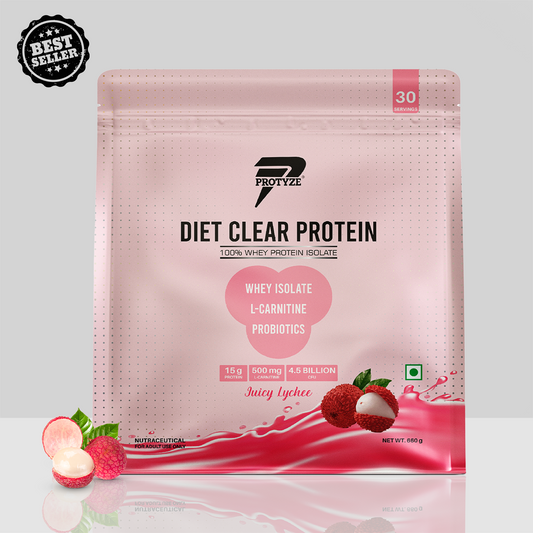
A clear whey protein beverage, such as those offered by Protyze, can fit naturally into an active lifestyle by providing quality protein in a light, refreshing format after training.
Benefits of Proper Post-Sport Nutrition
1. Faster Muscle Recovery
Protein supplies essential amino acids needed for muscle repair.
2. Better Hydration
Replacing lost fluids helps restore normal body function.
3. Reduced Muscle Soreness
Adequate recovery nutrition may help minimize delayed onset muscle soreness (DOMS).
4. Improved Future Performance
Athletes who recover well often perform better in subsequent training sessions.
5. Supports Lean Muscle Growth
Consistent protein intake supports muscle maintenance and development.
Common Mistakes People Make After 90 Minutes of Sport
Skipping Recovery Nutrition
Many people finish training and delay eating for several hours.
Not Drinking Enough Water
Replacing sweat losses is crucial.
Ignoring Electrolytes
Water alone may not fully restore mineral balance after heavy sweating.
Eating Only Junk Food
High-fat processed foods can delay optimal recovery.
Sleeping Poorly
Sleep is one of the most powerful recovery tools available.
Practical Tips to Recover Faster
- Drink water before you feel thirsty.
- Consume protein within one hour after exercise.
- Include carbohydrates to restore glycogen.
- Stretch and cool down properly.
- Aim for 7-9 hours of quality sleep.
- Replace electrolytes after intense sweating.
- Maintain consistent daily protein intake.
Comparison Table: Before, During, and After 90 Minutes of Sport
| Stage | What Happens | What You Should Do |
| Before Exercise | Glycogen stores are full | Eat a balanced meal and hydrate |
| First 30 Minutes | Heart rate and energy demand increase | Maintain pace and hydrate |
| 30-60 Minutes | Sweating and electrolyte loss increase | Continue fluid intake |
| 60-90 Minutes | Muscle fatigue and breakdown begin | Stay hydrated and finish strong |
| After Exercise | Recovery process starts | Consume protein, carbs, and fluids |
Key Takeaways
- Your heart rate rises rapidly during exercise.
- Glycogen is the primary fuel source.
- Sweating leads to fluid and electrolyte loss.
- Muscle fibers experience natural breakdown.
- Hydration directly impacts performance.
- Recovery nutrition is essential after 90 minutes of activity.
- Protein and carbohydrates help restore the body.
- Choosing the Best Protein Drink In UAE can support muscle recovery and active lifestyles.
FAQs
1. What happens to your muscles during 90 minutes of sport?
Muscle fibers experience tiny tears that later repair and adapt, helping improve strength and endurance.
2. Why do athletes feel tired after long exercise sessions?
Energy stores decline, dehydration develops, and muscles accumulate metabolic by-products.
3. Is dehydration dangerous during sports?
Yes. Even mild dehydration can reduce physical and mental performance.
4. How much water should I drink after exercise?
Replace fluids gradually until normal hydration returns. Sweat losses vary by individual.
5. Why is protein important after sports?
Protein provides amino acids that help repair damaged muscle tissue.
Conclusion
A 90-minute sports session is much more than simply burning calories. Your body activates multiple systems to produce energy, regulate temperature, maintain performance, and repair itself afterward. Understanding these physiological changes allows athletes and fitness enthusiasts to train smarter and recover more effectively.
Hydration, electrolyte replacement, balanced nutrition, and adequate protein intake all play essential roles in maximizing results. Incorporating a high-quality recovery option like a clear whey protein drink from Protyze can naturally complement an active lifestyle by helping support muscle repair after demanding exercise.
If you regularly participate in football, cricket, running, gym training, or endurance sports, paying attention to recovery is just as important as the workout itself. The right habits today can help you perform better, recover faster, and stay consistent with your fitness goals.