
After an intense workout, your muscles are supposed to feel pumped, full, and energized. But sometimes the opposite happens. Your muscles suddenly look smaller, softer, or “flat” — even after training hard.
For many gym-goers, runners, athletes, and fitness beginners, this can feel frustrating and confusing.
Did you lose muscle overnight?
Are you overtraining?
Or is your body missing something important after workouts?
The truth is, flat muscles after heavy workouts are extremely common. In most cases, it’s linked to muscle glycogen depletion, dehydration, recovery stress, and inadequate protein intake.
Understanding why this happens can help you recover faster, improve muscle fullness, and support better performance after training.
What Does “Flat Muscles” Actually Mean?
When people say their muscles feel flat, they usually mean:
- Less muscle fullness
- Reduced pump
- Softer muscle appearance
- Lower strength output
- Muscles looking smaller temporarily
- Reduced energy during workouts
This often happens after:
- Intense gym sessions
- Long cardio workouts
- HIIT training
- Heavy leg days
- Running or sports sessions
- Training in hot weather
The good news?
This is usually temporary and recoverable with proper nutrition, hydration, and protein intake.
Why Muscles Feel Flat After Heavy Workouts
1. Glycogen Depletion
Your muscles store carbohydrates in the form of glycogen. During intense workouts, your body uses glycogen as a major fuel source.
When glycogen levels drop significantly:
- Muscles lose fullness
- Water storage inside muscles decreases
- Pumps reduce
- Muscles appear smaller
This is one of the biggest reasons muscles feel flat after hard training sessions.
Athletes often notice this after:
- High-volume workouts
- Long cardio sessions
- Fasted training
- Low-carb diets
2. Dehydration & Electrolyte Loss
Heavy sweating causes loss of:
- Sodium
- Potassium
- Magnesium
- Fluids
This affects muscle hydration and recovery.
Even mild dehydration can make muscles:
- Feel weaker
- Lose fullness
- Cramp more easily
- Recover slower
This becomes even more noticeable during:
- Summer workouts
- Outdoor sports
- Intense cardio
- High humidity training
That’s why hydration and electrolytes are essential after workouts — not just water alone.
3. Muscle Breakdown After Intense Training
Heavy resistance training creates microscopic muscle damage.
This is normal and necessary for muscle growth.
But without enough recovery nutrition, your body struggles to repair muscle tissue efficiently.
This can lead to:
- Prolonged soreness
- Reduced muscle fullness
- Slower recovery
- Lower workout performance
Protein becomes extremely important here because muscles need amino acids for repair and rebuilding.
How Protein Helps Restore Muscle Fullness
Protein does much more than support muscle growth.
It also helps:
- Muscle recovery
- Muscle repair
- Recovery from training stress
- Maintaining lean muscle mass
- Supporting post-workout recovery
Whey protein isolate is especially effective because it:
- Digests quickly
- Delivers amino acids rapidly
- Supports muscle protein synthesis
- Contains naturally occurring BCAAs
For people training intensely, consistent protein intake helps muscles recover faster and regain fullness more efficiently.
Why Whey Protein Isolate Is Often Preferred After Heavy Workouts
Many traditional protein shakes can feel thick and heavy after intense workouts — especially during summer or after cardio sessions.
This is why many athletes now prefer lighter whey isolate options like clear whey protein.
Clear whey isolate products are:
- Lighter on the stomach
- More refreshing
- Easier to consume post-workout
- Lower in heaviness compared to creamy shakes
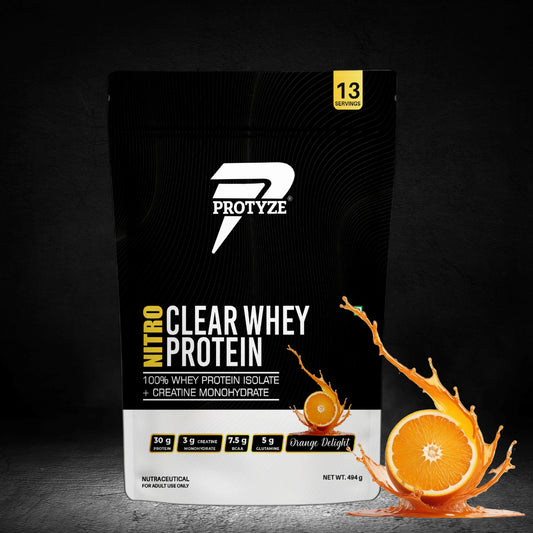
Products like Protyze Nitro Clear Whey Protein are designed to provide high-quality whey isolate in a lighter, juice-like format that feels easier to drink after intense training.
This can help people stay more consistent with post-workout protein intake — especially after sweaty or exhausting sessions.
Can Low Protein Intake Make Muscles Look Smaller?
Yes — over time.
If your body doesn’t get enough protein consistently:
- Muscle recovery slows
- Muscle protein synthesis decreases
- Muscle retention becomes harder
- Training performance may decline
This doesn’t mean muscles disappear instantly after one workout.
But poor recovery nutrition over weeks can affect:
- Muscle fullness
- Recovery speed
- Strength progression
- Lean muscle maintenance
Signs Your Recovery Nutrition May Be Inadequate
You may need better post-workout recovery support if you frequently notice:
- Flat-looking muscles
- Persistent soreness
- Poor workout pumps
- Fatigue after workouts
- Cramping
- Slow recovery
- Low energy during training
Recovery is not just about calories.
It depends on:
- Protein quality
- Hydration
- Electrolytes
- Sleep
- Overall nutrition
Why Hydration Matters Alongside Protein
Protein alone is not enough for optimal recovery.
After intense sweating, your muscles also need proper hydration and electrolyte replenishment.
This is where protein + electrolyte combinations are becoming increasingly popular among athletes and fitness enthusiasts.
Products like Protyze Hydra combine hydration support with recovery-focused nutrition designed for active lifestyles and sweaty training sessions.
This is especially useful during:
- Summer workouts
- Outdoor sports
- Long training sessions
- High sweat-loss activities
Best Post-Workout Recovery Habits for Fuller Muscles
1. Prioritize Protein After Training
Aim for high-quality protein after workouts to support muscle repair and recovery.
2. Rehydrate Properly
Water alone may not fully restore electrolyte balance after heavy sweating.
3. Don’t Fear Carbohydrates
Carbohydrates help restore glycogen levels and muscle fullness after workouts.
4. Sleep Enough
Muscle recovery heavily depends on sleep quality.
5. Avoid Skipping Recovery Nutrition
Consistent recovery habits matter more than occasional perfect workouts.
Is It Normal for Muscles to Look Smaller After Cardio?
Yes.
Long cardio sessions can temporarily reduce:
- Glycogen
- Muscle water content
- Muscle pump
This does not mean you lost muscle tissue instantly.
Proper recovery nutrition with:
- protein
- hydration
- electrolytes
- carbohydrates
usually helps restore muscle fullness over time.
The Growing Shift Toward Lighter Recovery Nutrition
Many fitness enthusiasts are moving away from overly thick post-workout shakes and looking for:
- lighter proteins
- refreshing recovery drinks
- easier digestion
- hydration support
This is one reason clear whey protein and electrolyte-based recovery products are gaining popularity in UAE and globally.
Conclusion
Flat muscles after heavy workouts are usually a sign of temporary glycogen depletion, dehydration, and recovery stress — not immediate muscle loss.
Your body needs proper recovery support to restore muscle fullness and performance after intense training.
High-quality whey isolate protein, hydration, electrolytes, and adequate nutrition all play an important role in helping muscles recover efficiently.
For people who struggle with heavy post-workout shakes, lighter recovery options like Protyze Nitro Clear Whey Protein and Protyze Hydra offer a more refreshing way to support recovery, hydration, and daily protein intake after demanding workouts.
FAQs
Why do muscles look flat after workouts?
Muscles can look flat after workouts due to glycogen depletion, dehydration, and reduced muscle water content after intense exercise.
Does protein help muscles look fuller?
Protein supports muscle recovery and repair, which helps maintain muscle health and recovery after training.
Can dehydration make muscles look smaller?
Yes. Loss of fluids and electrolytes can reduce muscle fullness temporarily.
Is whey isolate better after intense workouts?
Whey isolate is commonly preferred because it digests quickly and supports faster post-workout recovery.
What is the best protein after sweaty workouts?
Many people prefer lighter whey isolate or clear whey protein options after sweaty workouts because they feel more refreshing and easier to consume.
Does cardio make muscles smaller?
Cardio can temporarily reduce muscle fullness due to glycogen depletion, but proper recovery nutrition helps restore it.
Which protein is easier to drink after workouts?
Clear whey protein is becoming popular because it feels lighter and less heavy than traditional creamy protein shakes.